

© Moka Studio
Neuer Huckepackbahnhof
Campus for innovation, culture and sport
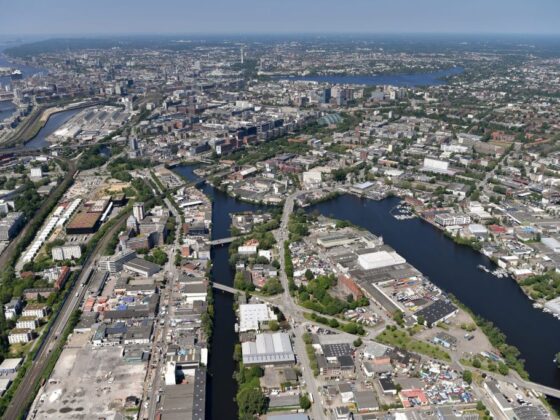
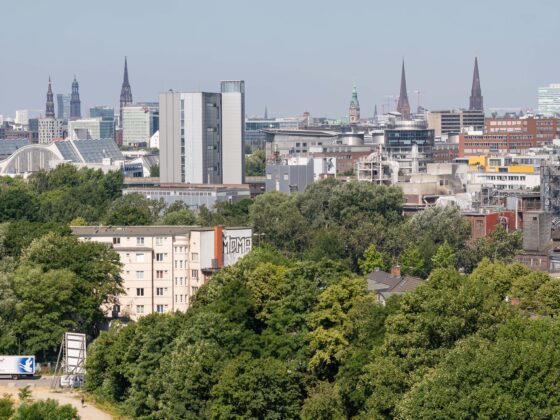
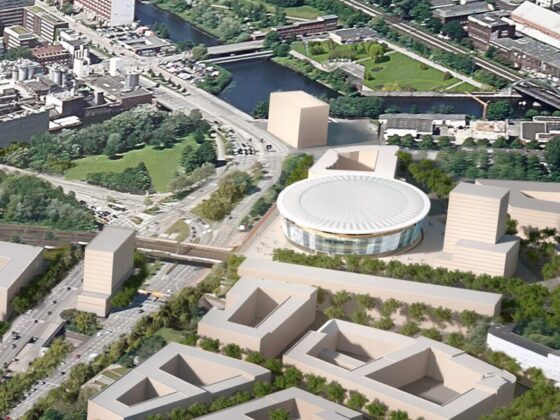
Central, well connected and highly visible: the Neuer Huckepackbahnhof offers the best conditions for a new piece of Hamburg. The site between Billhorner Brückenstraße and Billstraße was previously used as a freight station. Today, it opens up new possibilities for revitalizing the urban space. A new quarter will be created here in the future. The central building block could be an 8,000-seat multi-functional arena. An expression of interest procedure has been launched for this in the 2nd quarter of 2025. The businesses that will otherwise settle here will focus on the areas of culture and innovation.
Current status of development
The development concept is currently being revised. The aim is to sharpen the commercial focus and develop a larger, flexibly usable construction site in the western part of the quarter. This will also be made possible by the planned construction of an 8,000-seat sports and event arena. An expression of interest procedure was launched for this in the second quarter of 2025. Once the development concept has been revised, the Hamburg-Mitte district authority will resume the Rothenburgsort 17 development plan procedure, which is currently on hold.
The as yet undeveloped areas of the Neuer Hueckepackbahnhof are currently being used temporarily to accommodate refugees and for construction site facilities.
Development concept
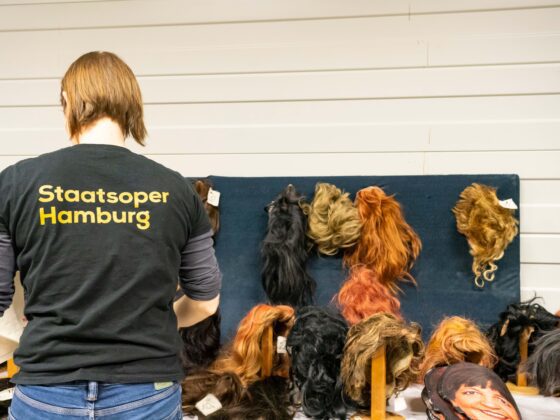
Concrete plans to develop the Neue Huckepackbahnhof for commercial use were already being considered as part of the "Stromaufwärts an Elbe und Bille" program in 2013. Until then, the area was isolated and completely enclosed between main roads and railroad facilities. The Billebogen Entwicklungsgesellschaft (BBEG) subsequently opened up access to the site from Billhorner Brückenstraße . In 2018, the workshops and scenery collection of the Hamburg State Opera were given a much-needed new home here. However, it is not only the traffic situation that poses a challenge, but also the industrial uses in the surrounding area. The remaining plots could not initially be developed due to planning and emissions law issues. These questions have now been answered. The original concept by HENN Architekten is being revised and the offices Karres en Brands, BLRM and Planersocietät are developing the functional plan for the quarter.
Urban development
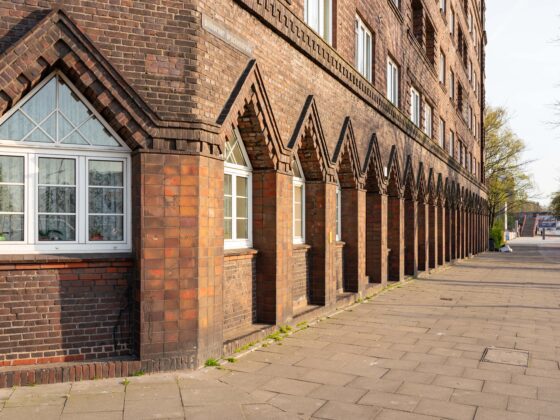
In the middle of Hamburg, a densely populated, multi-use quarter is being created. The area, which is bounded on all sides by railroad tracks and major roads, offers the opportunity to develop into a highly integrated campus-like district. In addition to companies, there is space here for local suppliers and a daycare center, and it can also be used for events. Existing industrial companies in the wider area will have opportunities to expand.
Particular emphasis is placed on the use of resources in the construction process. To this end, the BBEG collaborates with the German Sustainable Building Council (DGNB).
© Moka Studio
New opportunity for Hamburg's sport
The planned 8,000-seat sports and event arena could close a major gap in Hamburg's range of venues. Hamburg's basketball and handball clubs would have a permanent, modern venue at their disposal. The event industry also urgently needs attractive venues for concerts and events. In an outstandingly visible location along Billhorner Brückenstraße, Hamburg's largest arterial road, the planned arena could greatly enhance the entrance to the city center in terms of urban development.
Campus-like quarter
The neighborhood's isolated location due to existing infrastructure is both a challenge and an opportunity for its development. The BBEG is striving for integrated development. It ensures that the new uses complement each other in order to guarantee the long-term vitality of the neighborhood.
Double certified
Billebogen Entwicklungsgesselschaft is consistently relying on the certification system of the German Sustainable Building Council for the Neuer Huckepackbahnhof. In addition to mandatory certification of all buildings, the aim is also to certify the district as a whole. Due to its size and integration, the Neue Huckepackbahnhof offer the best conditions for this.
© HENN Architects
Free space
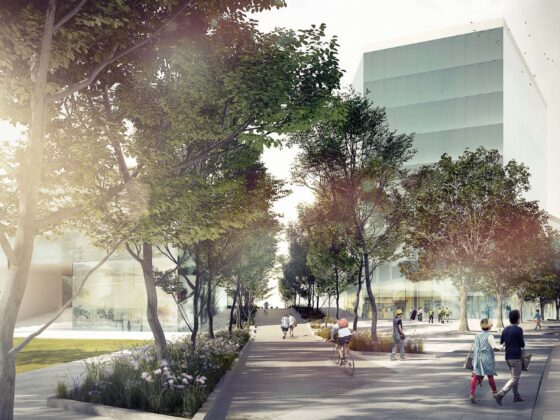
The planned outdoor facilities are also an important part of the development concept for the new piggyback rail terminal. These include the Alster-Bille-Elbe —a green corridor that runs through the neighborhood from north to south—Erwin-Seeler Park along the existing residential area, and the Billepark on the western side of Billhorner Brückenstraße. To connect these outdoor spaces to the green network, a bridge will be built to the north toward the former recycling center, and to the south, a tunnel will be constructed under the freight bypass rail line to the Rothenburgsort residential district.
Alster-Bille-Elbe-Grünzug
The Alster-Bille-Elbe-Grünzug links Rothenburgsort with the large parks of the city of Hamburg. In future, an urban park landscape will stretch between Hamburg's three rivers.
In Rothenburgsort , the green corridor runs from the flood basin on the Bille in the north to the Alexandrastieg at Elbpark Entenwerder in the south. Two new connections will make this possible: a bridge will be built over the Bille and a tunnel will be built under the railroad embankment to the south of the Neuer Huckepackbahnhof station. Both are designed exclusively for pedestrians and cyclists.
In the Neuer Huckepackbahnhof , the Alster-Bille-Grünzug forms the central backbone of the district and an entrance for visitors to the sports and event arena being built.
© Hager Landscape Architects (today Uniola)
Kick-off in the Billepark
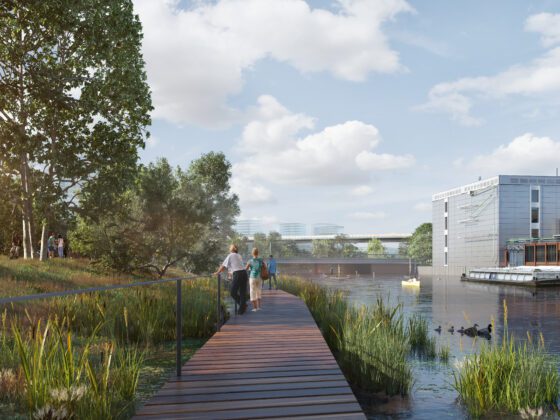
Separated from the rest of the district by Billhorner Brückenstraße , the Bille river runs along the western side. A central urban park is being created here between Rothenburgsort and Hammerbrook: the Billepark.
This park will extend from the mouth of the Bille to the flood basin. It will make the course of the River Bille accessible to the public and create further attractive pathways and new opportunities for use - often directly on the water. For example, the functional planning includes a jetty leading from Heidenkampsweg, past Amsinckstraße and the wholesale market, to the Brandshofer Schleuse .
At the new Huckepackbahnhof , the park leads directly past existing industrial plants and thus offers insights into Hamburg's economy.
The realization of Billepark is planned for the early 2030s.
Mobility and logistics
The new " Huckepackbahnhof " is located directly on Federal Highway B75 and not far from the A1 highway, making it very easily accessible via public roads. BBEG aims to transform the currently car-oriented site into a neighborhood with a diverse range of mobility options. To achieve this, the Rothenburgsort S-Bahn station will be better connected, the network of bike paths in the surrounding area will be significantly expanded, and the neighborhood will be integrated into the Green Network via a bridge and a tunnel. A neighborhood parking garage will also consolidate private motorized traffic within the neighborhood.

Billebogen Entwicklungsgesellschaft, Hager Partner AG
Easily accessible by public transport
The Rothenburgsort S-Bahn station is located on the eastern edge of the neighborhood. A direct pedestrian connection from Cornelia-Harte-Straße to Billhorner Deich significantly shortens the distances. Several bus stops are also within easy walking distance to the northwest of the area. The buses reach the Elbbrücken and Hamburg Central Station transport hubs in just a few minutes.
Neighborhood garage
A neighborhood garage is to be built at a central location in the neighborhood. The total number of car parking spaces can be greatly reduced by the neighborhood garage, thus relieving the burden on the neighborhood. During the day, people working in the district can use the garage, while sports fans and concert-goers can use it in the evening.
More information
Real estate
Billebogen Entwicklungsgesellschaft (BBEG), a subsidiary of HafenCity Hamburg GmbH, has more than 20 years of experience in urban development. It offers attractive properties for investors and property developers in new, vibrant urban spaces with a focus on commercial development.
Participation
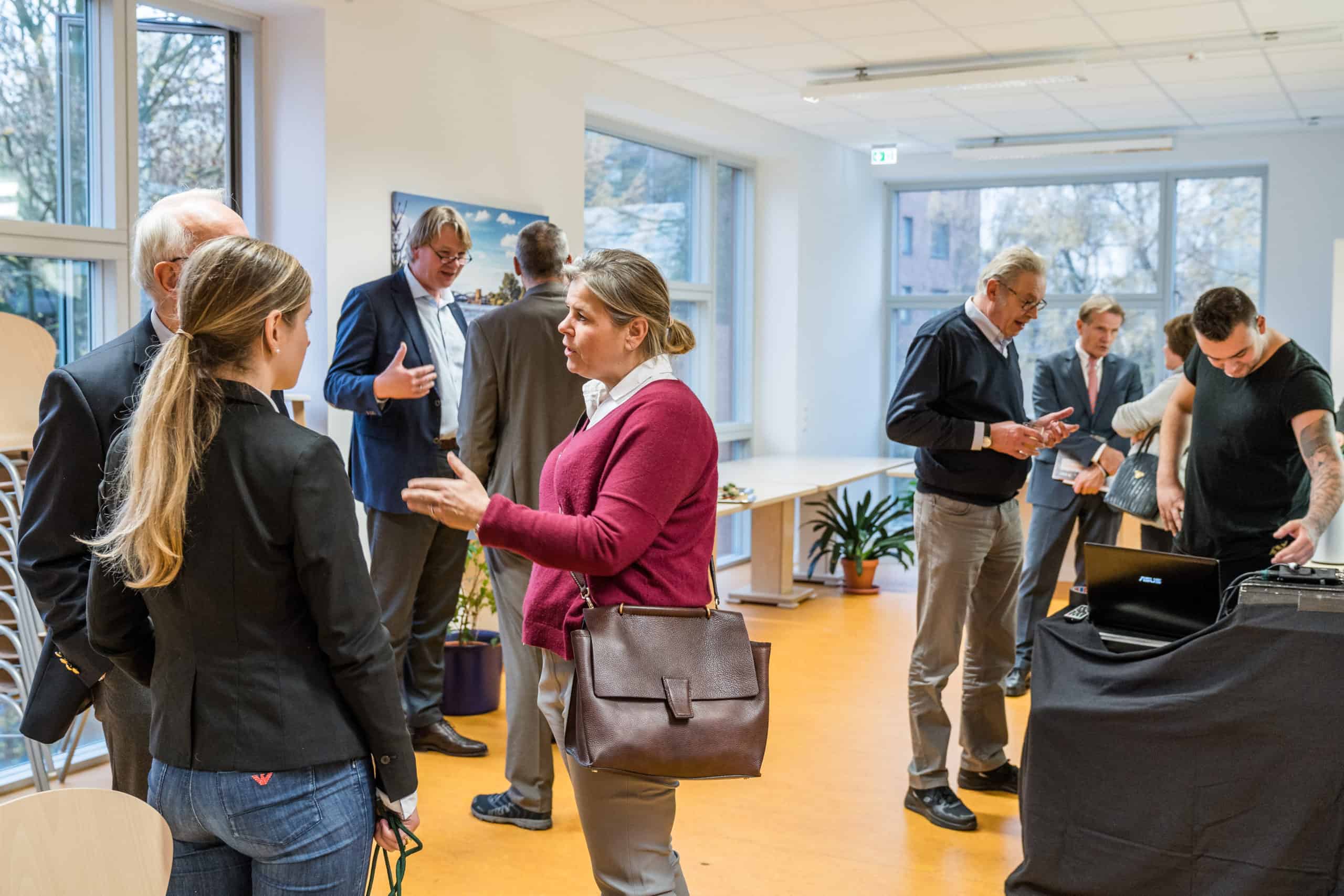
On behalf of the Free and Hanseatic City, Billebogen Entwicklungsgesellschaft (BBEG) is also responsible for communication on neighborhood development. Current issues are communicated transparently and suggestions and needs of the neighborhood can be brought forward in various formats. There are numerous opportunities for this.
Construction activities
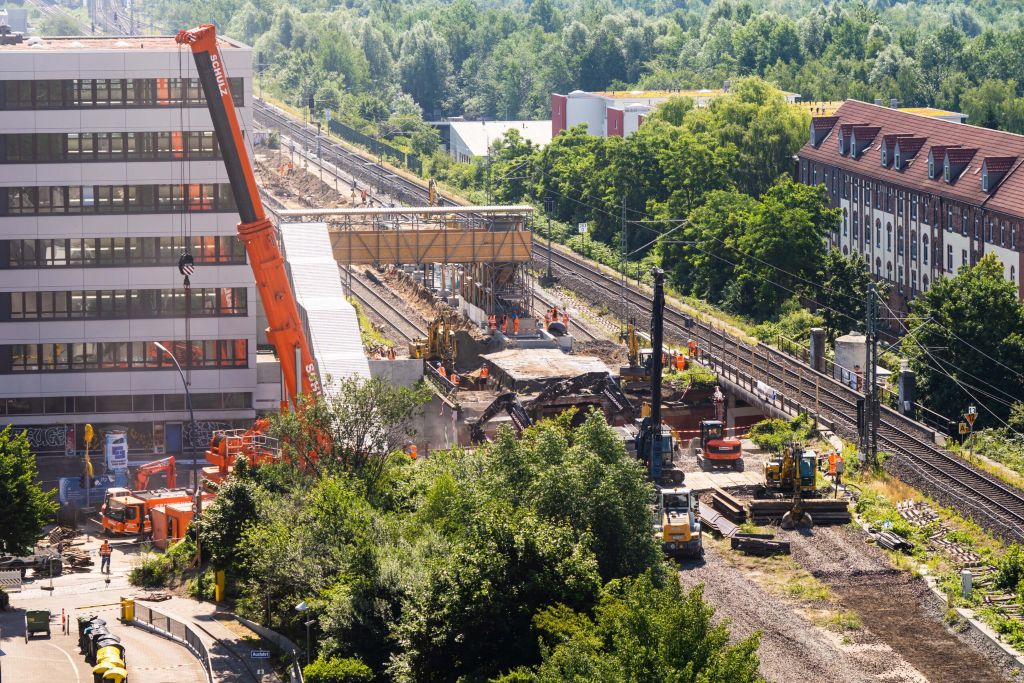
The Free and Hanseatic City of Hamburg is expected to invest around 250 million euros in the infrastructure of the new neighborhoods and the existing Rothenburgsort district via the Billebogen Entwicklungsgesellschaft (BBEG). Here you will find an overview of construction measures in the neighborhood.